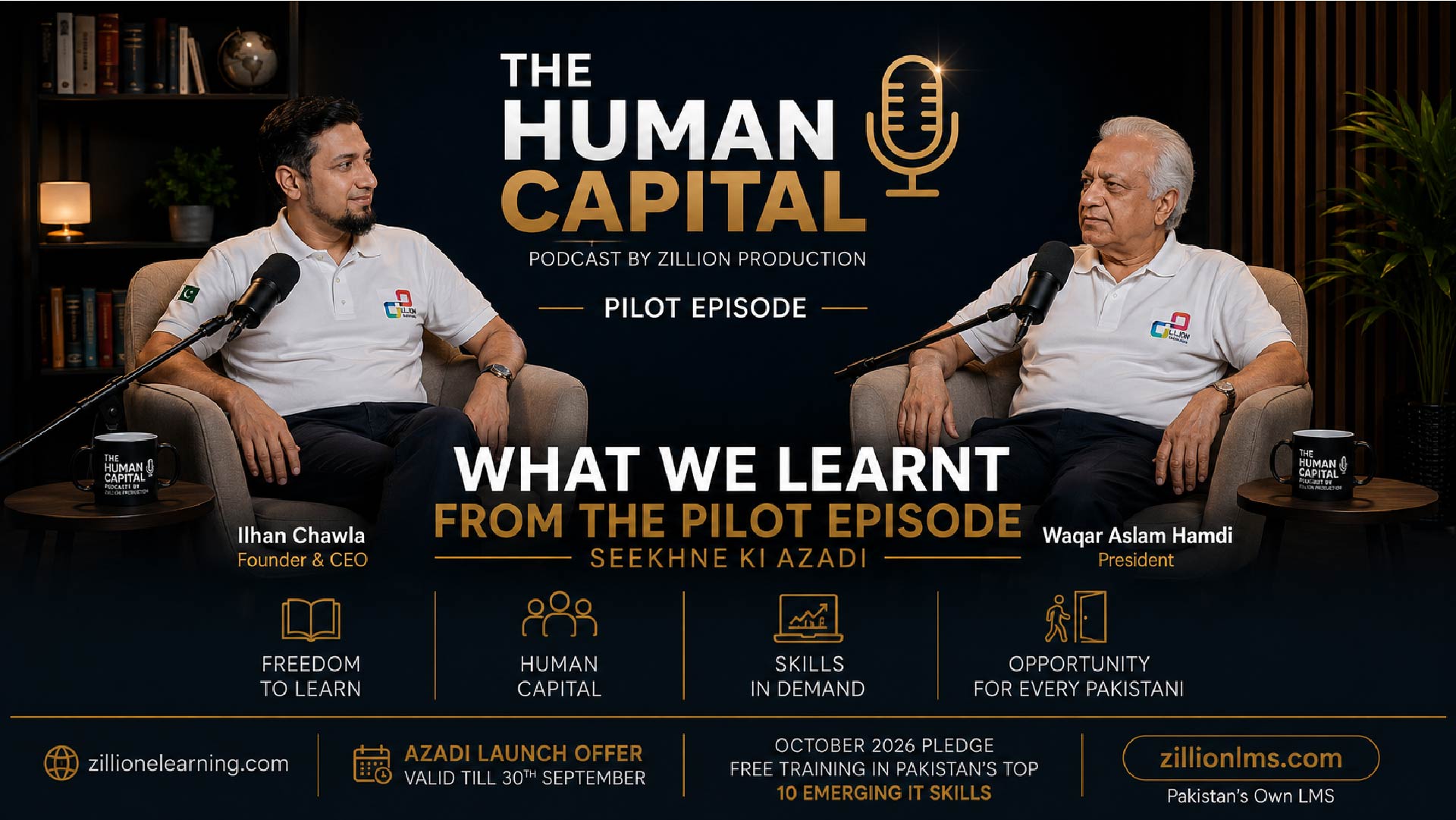
Key Takeaways from the Pilot Episode
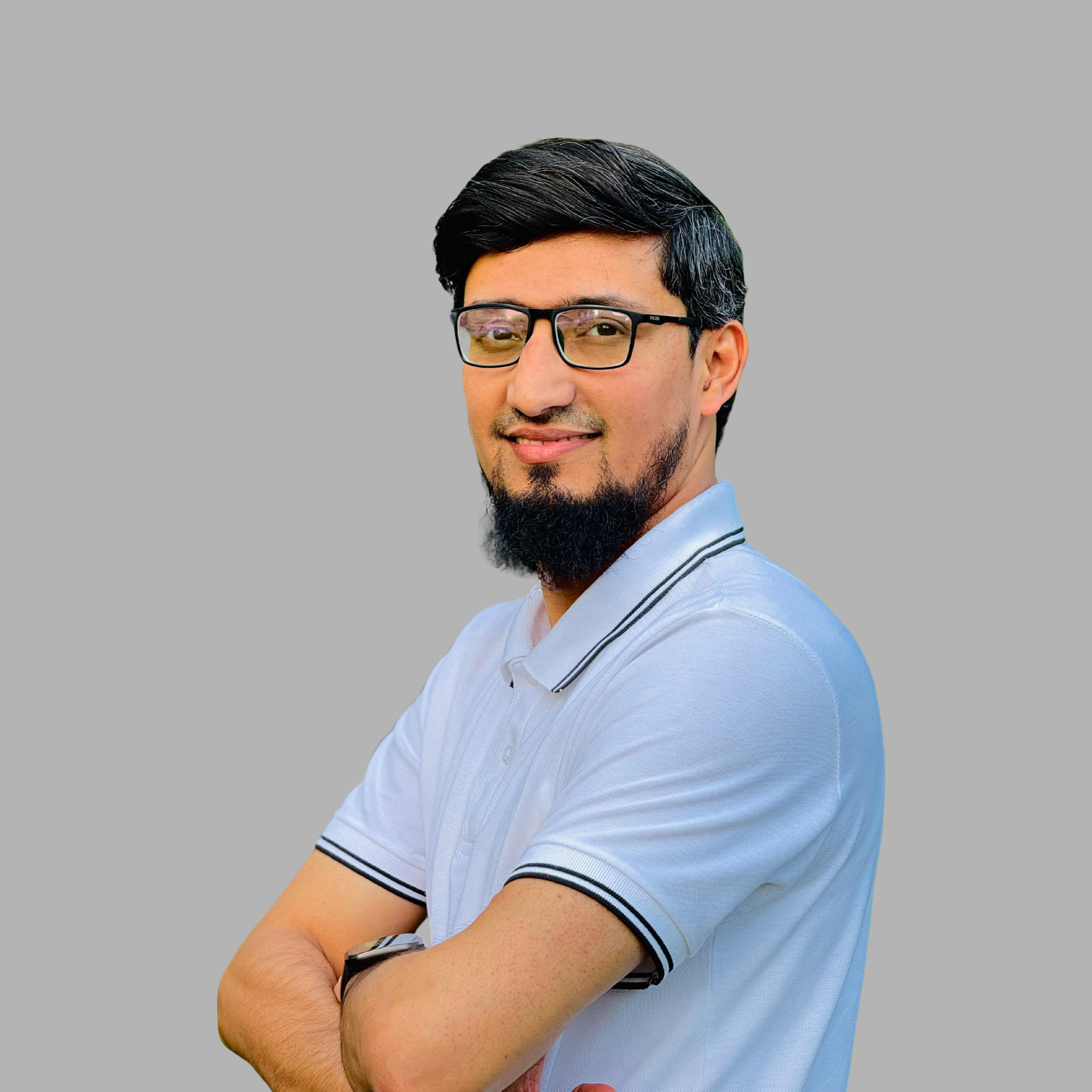
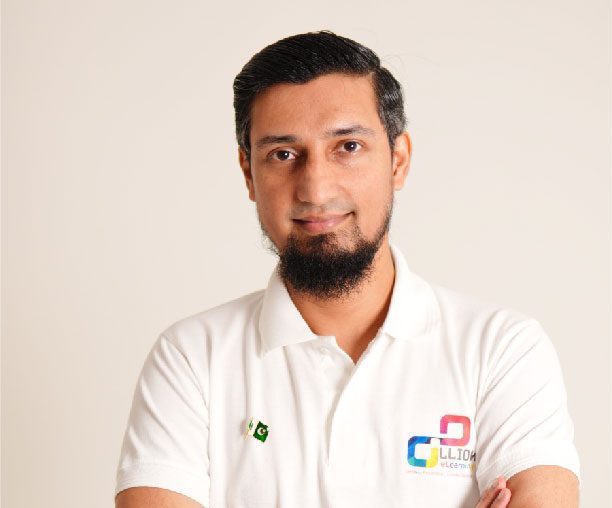
On Independence Day, Zillion eLearning premiered the Pilot Episode of The Human Capital: Seekhne ki Azadi, a conversation between our President, Waqar Aslam Hamdi, and our Founder & CEO, Ilhan Chawla, about Pakistan, its people, and the role learning can play in shaping the country’s future.
The conversation began with a simple but powerful thought:
“When Pakistan was born, none of us chose where we started. Seventy-nine years later, capability should have no borders, and neither should learning.”
From Pakistan’s independence to the potential of its young population, from education to technology, and ultimately to the launch of ZillionLMS, the Pilot Episode explored what seekhne ki azadi, the freedom to learn, can mean for Pakistan today.
Here are four ideas that stayed with us.
1. Independence also brings responsibility
Independence Day is a celebration, but the Pilot Episode asked us to see it as a moment of accountability too.
Pakistan’s political freedom was achieved by the generations before us. The responsibility of today’s generation is different: to make sure Pakistanis have the opportunity to develop their capabilities, wherever they live.
As Ilhan put it, seekhne ki azadi means that every Pakistani should have their own path to learning, regardless of where they are.
This idea runs deeper than technology.
The pilot reminds us that learning has always been central to the idea of progress. It begins with the Quranic command Iqra, meaning “read,” and recalls Quaid-e-Azam’s warning at the All Pakistan Educational Conference in November 1947:
“Education is a matter of life and death for Pakistan.”
More than seven decades later, that responsibility remains with us.
2. Pakistan's greatest resource is its people
Pakistan has a population of more than 250 million, with roughly two-thirds under the age of thirty. Around 67 million Pakistanis are between the ages of 15 and 29.
That makes youth one of Pakistan’s greatest opportunities.
The Pilot Episode points to Pakistan’s growing IT exports and freelancer economy as evidence of what young Pakistanis can achieve when knowledge, technology and opportunity come together.
Waqar Aslam Hamdi takes the argument further by looking at countries such as Taiwan and Singapore. Their progress demonstrates that national strength does not depend only on what exists beneath the ground. It also depends on what exists in people’s minds: knowledge, ideas and skills.
Countries can invest in infrastructure, but they can also invest in people.
And in a knowledge economy, human capital may be the most important infrastructure of all.
3. Access to learning is no longer the impossible part
For decades, reaching learners across Pakistan was one of the biggest challenges.
That picture has changed.
As discussed in the Pilot Episode, Pakistan has more than 161 million broadband subscribers, broadband penetration has crossed 64%, and smartphone usage has reached more than 71%.
The path to the learner increasingly exists.
The bigger question is what we put on that path.
Ilhan identifies the missing piece as a platform that can help people continuously upskill. Waqar connects that idea with Iqbal’s words:
،افراد کے ہاتھوں میں ہے اقوام کی تقدیر
ہر فرد ہے ملت کے مقدر کا ستارہ۔
The emphasis is on har fard, every individual.
Learning infrastructure should not exist only for a select few. Its real value appears when knowledge and skills can reach people regardless of geography.
Imagine the cumulative impact if every Pakistani improved just one skill every year.
Ten years from now, that could mean a very different Pakistan.
4. Learning must eventually lead to opportunity
Reach alone is not enough. The Pilot Episode identifies three foundations for meaningful learning infrastructure.
First, reach. Learning should be able to reach every Pakistani, without unnecessary barriers or boundaries.
Second, skills in demand. People need access to emerging skills and technologies that reflect where industries and jobs are heading.
Third, learning must come closer to earning. A young person does not only need another certificate. They need the ability to translate what they learn into meaningful work and opportunity.
This is where the conversation moves from an idea to something tangible.
During the Pilot Episode, Zillion eLearning announced ZillionLMS, a Pakistani Learning Management System developed for organizations and learners, with Pakistan-relevant learning content and an AI-enabled approach to workplace learning.
Alongside the platform, Zillion eLearning also announced its commitment to provide free training in Pakistan’s Top 10 emerging IT skills, with the initiative planned for October 2026.
It is an attempt to turn the idea of seekhne ki azadi into infrastructure: reach people, teach relevant skills, and help reduce the distance between learning and earning.
The lesson we are taking forward
Perhaps the Pilot Episode’s strongest message comes near its end:
“Our generation will not be judged by how loudly we celebrate Pakistan. It will be judged by how well we prepare Pakistanis.”
A country’s future is not built by governments alone. It is also built by its teachers, engineers, entrepreneurs, doctors, technicians, professionals and by people who continue learning throughout their lives.
That is why Seekhne ki Azadi is more than an Independence Day theme.
It is the belief that where someone starts should not determine how far they can learn, grow or contribute.
Pakistan already has the people. It has the ambition. Increasingly, it has the connectivity.
The opportunity now is to build the learning infrastructure that connects all three.
Watch the Pilot Episode of The Human Capital: Seekhne ki Azadi, and join us in building a future where capability has no borders and neither does learning.